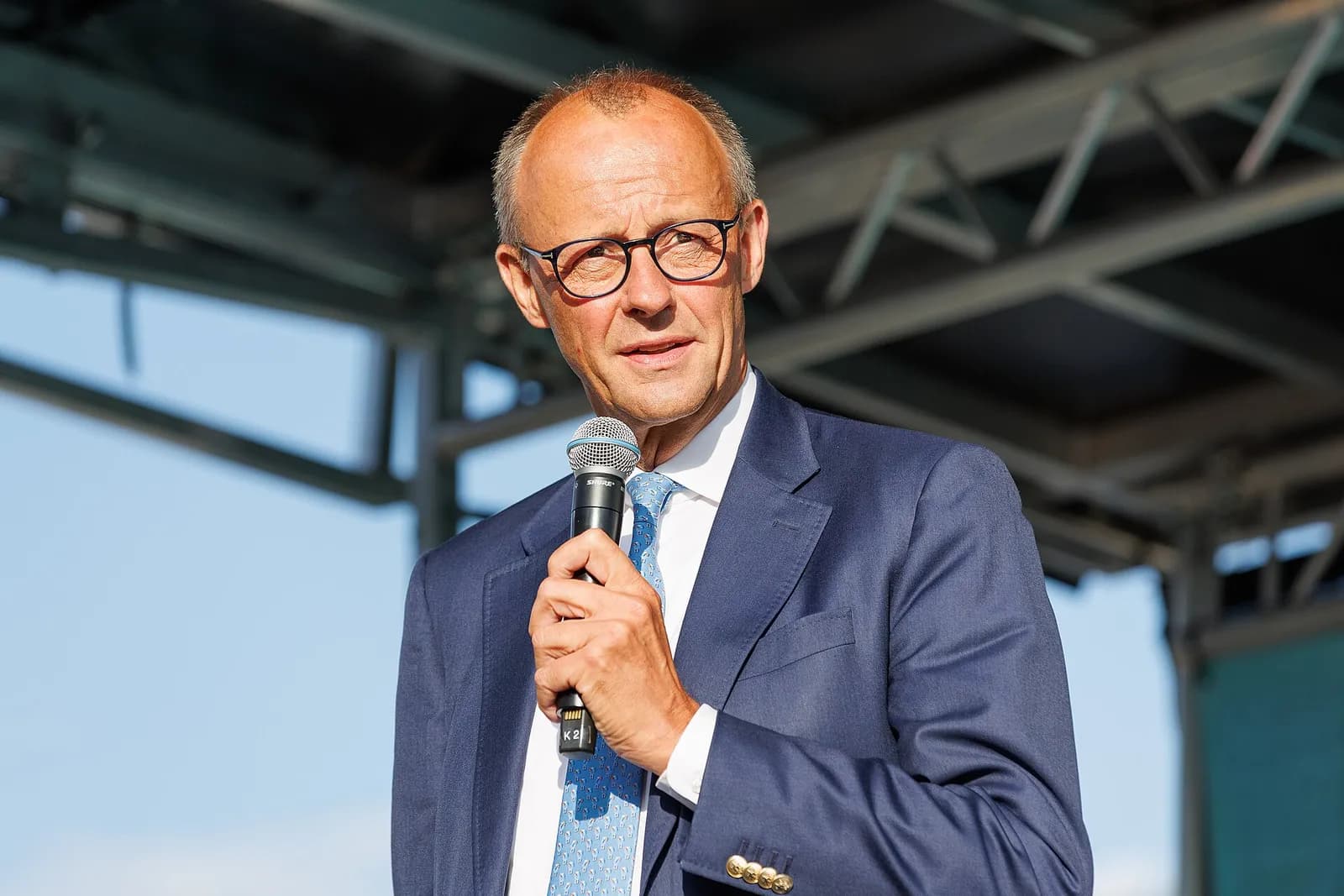
German Chancellor Friedrich Merz has stated that a "Yalta format" cannot bring peace to Ukraine, criticising major powers deciding the nation's future without its participation. The remarks follow a meeting held in Shenzhen between Donald Trump, Vladimir Putin, and Xi Jinping to discuss global security without Ukrainian representation.
According to reports, Germany opposes decisions concerning Ukraine being settled by major powers during private discussions. The trilateral engagement in Shenzhen between Trump, Putin, and Xi produced no concrete progress toward resolving the ongoing conflict in Ukraine.
Berlin hosts talks with Ukrainian leadership
Merz subsequently hosted Ukrainian President Volodymyr Zelenskyy and United States envoys in Berlin. The diplomatic efforts in the German capital underlined Berlin's stance that European security outcomes must involve Kyiv directly rather than being dictated externally.
The reference to the historic 1945 Yalta Conference invokes the summit where Allied powers reshaped European borders after the Second World War. The historical parallel is frequently cited when major global powers negotiate geopolitical arrangements without the consent or presence of smaller affected countries.
Background of the conflict
The ongoing dispute between Russia and Ukraine began with the annexation of Crimea in 2014 and escalated significantly following the full-scale Russian invasion in February 2022. Since the 2022 escalation, Germany has served as one of the primary European providers of financial, humanitarian, and military assistance to Ukraine.